Private-well treatment research
Well Water Filtration Systems in 2026: A Test-First Guide
Build a well water filtration system from laboratory results, water chemistry, pump and backwash flow, treatment limits, and follow-up verification testing.

Taylor Rupe·Founder & Editor
B.A. Psychology · B.S. Computer Science · Updated September 4, 2026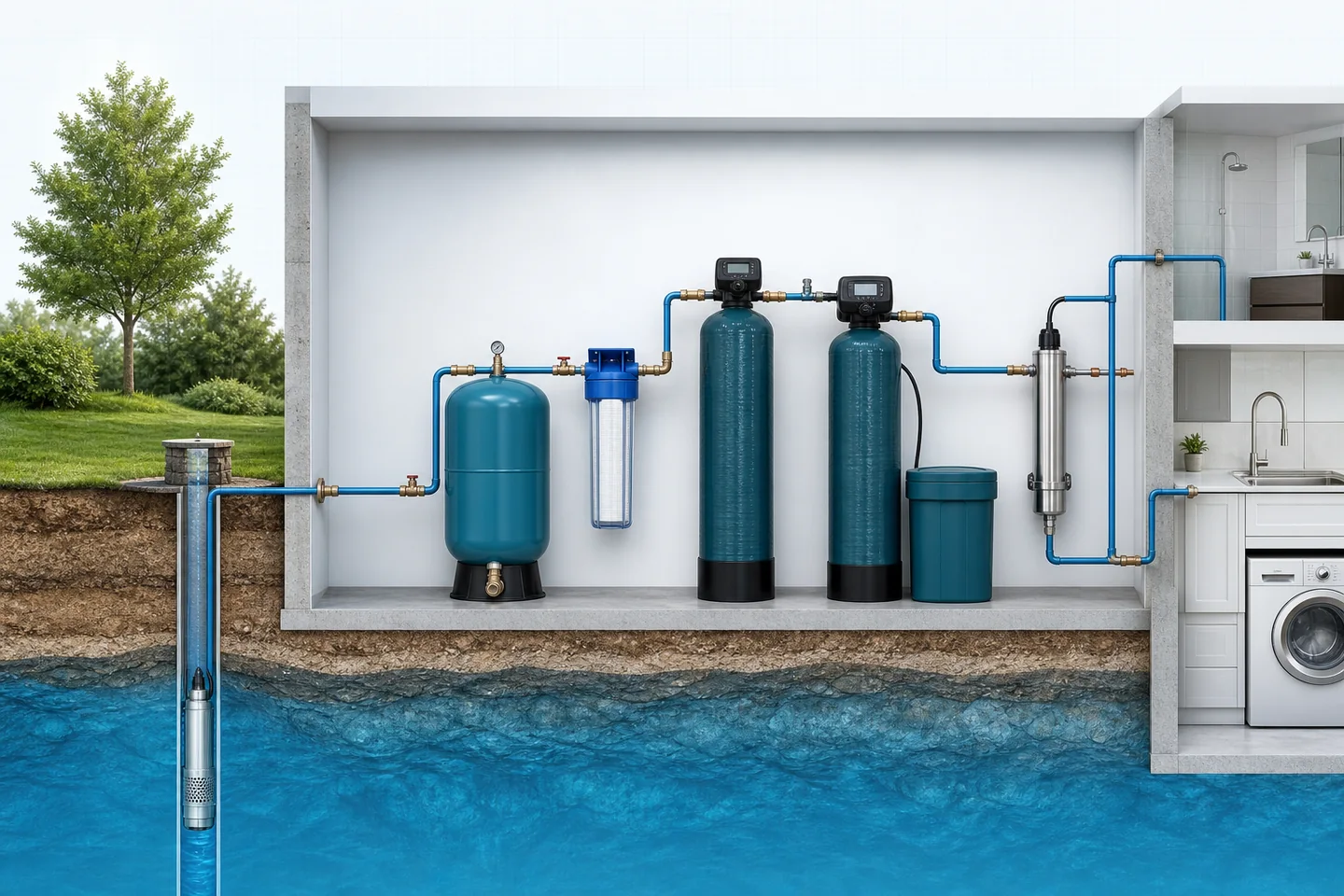
How do you choose a well water filtration system?
A well water filtration system starts with a state-certified laboratory result because private wells are not monitored like public systems. CDC recommends annual testing for total coliform bacteria, nitrate, total dissolved solids, and pH, followed by locally relevant tests based on geology, land use, household changes, and observed problems. [1][2]
One device cannot solve sediment, hardness, iron, manganese, sulfur odor, arsenic, nitrate, and microorganisms as though they were the same problem. Penn State advises matching each treatment process to a verified result and considering source correction or a different water source before buying equipment. [5][9]
The treatment train also has to fit the site. Backwashing media, chemical feed, contact tanks, softeners, ultraviolet systems, and point-of-use membranes impose different flow, drain, power, space, and maintenance demands. Record well yield, pump capacity, pressure-tank operation, and peak household demand before equipment is sized. [6][3]
Well Water Filtration Equipment to Compare in 2026
5models · five different jobs
This is an equipment-role shortlist, not a universal shopping list or a claim that every well needs five stages. Each card pairs one current model with the job its own documentation supports, the operating limit most likely to change the decision, and direct links to the documents behind the comparison.
Sediment prefilter
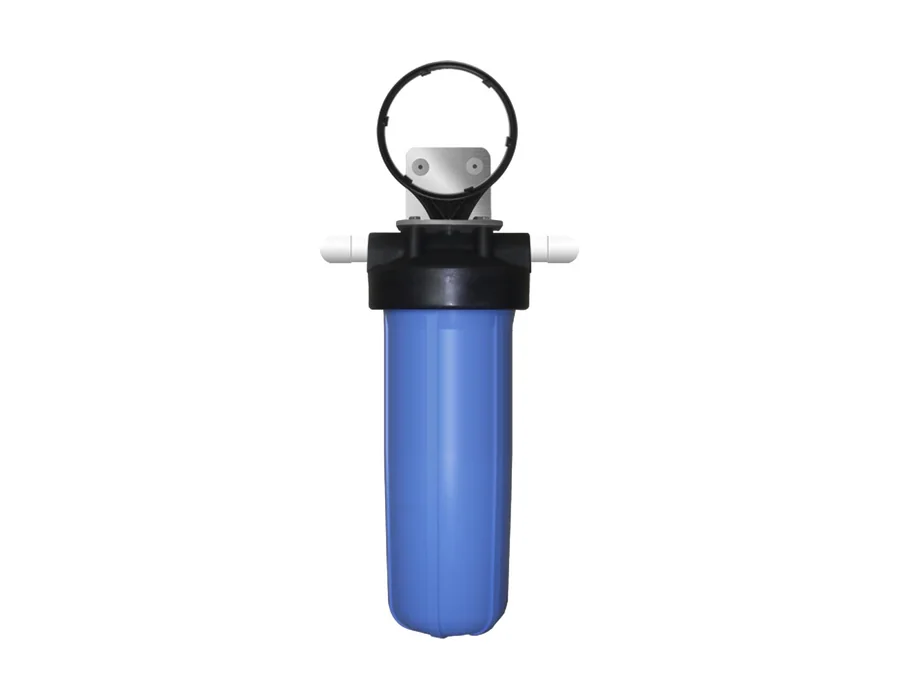
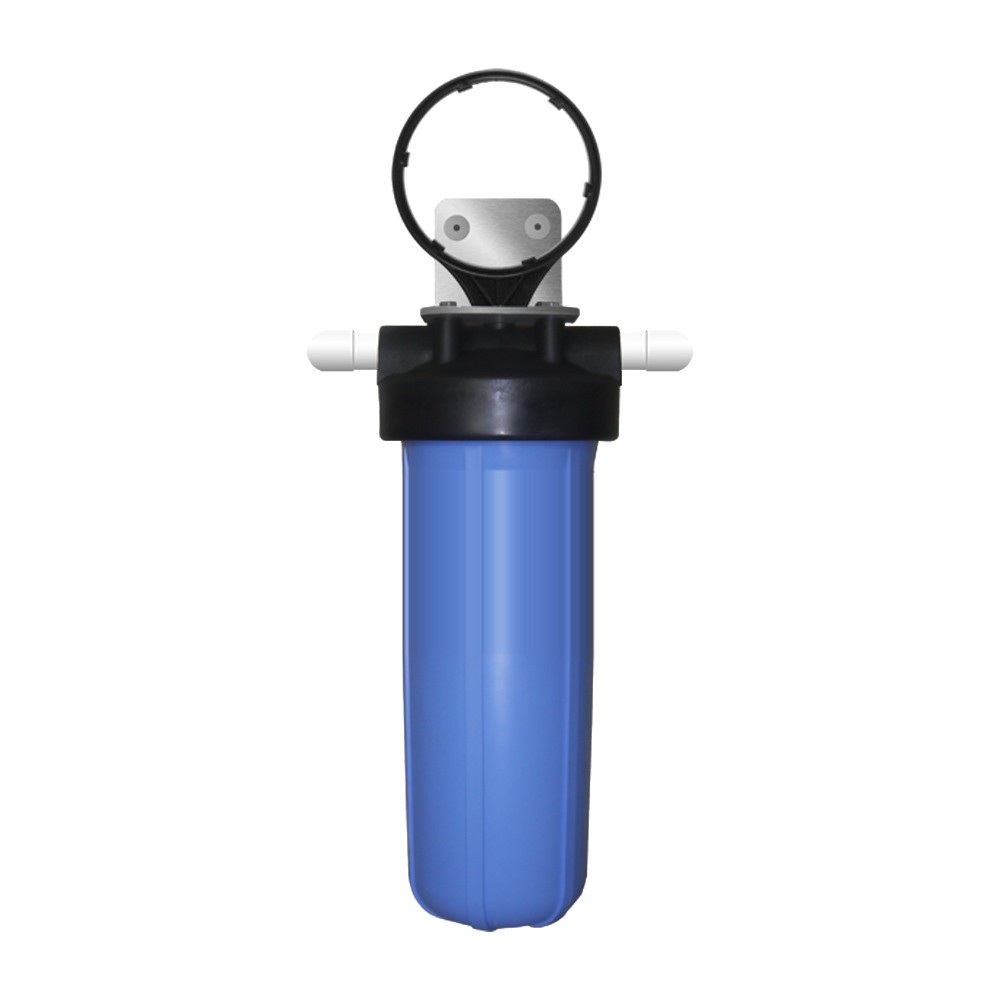
Pentair BB20-P
Exact model · BB20-P
Sand, silt, dirt, and rust particles that should be caught before finer treatment equipment.
Pentair includes a heavy-duty 20-inch housing and 5-micron cartridge and lists a 1.5-inch connection with an estimated 12-month filter life.
- Nominal filtration
- 5 micron
- Connection
- 1.5 in.
- Housing
- 20 in.
Design limitThis is particle protection, not dissolved-contaminant treatment. It does not soften water, oxidize dissolved iron or sulfur, remove nitrate or arsenic, or disinfect.

Oxidation + media
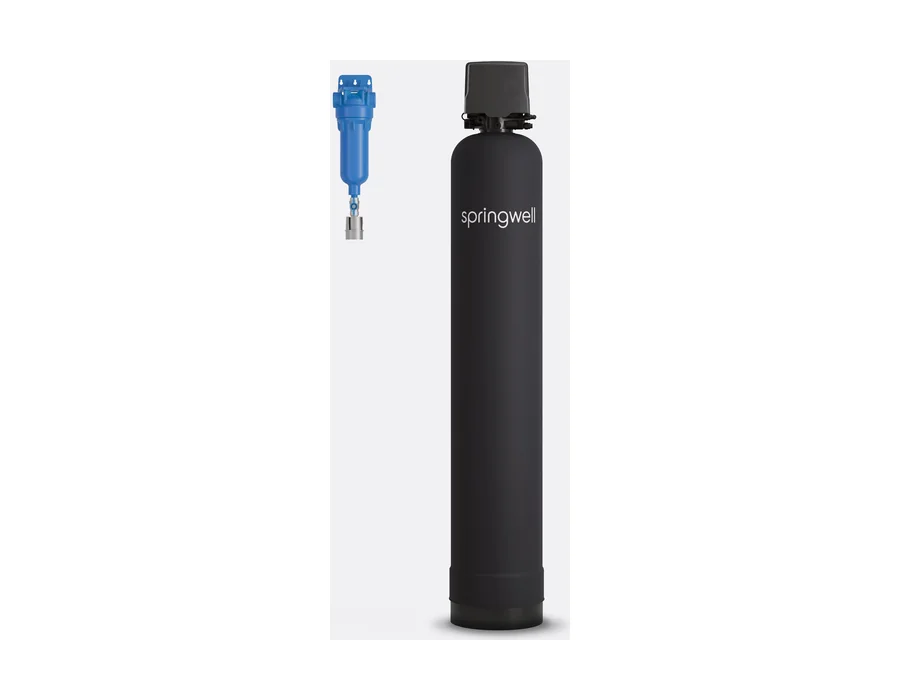
SpringWell WS1
Exact model · WS1
Lab-confirmed iron, hydrogen sulfide, or manganese within the manufacturer’s published limits.
SpringWell publishes treatment limits of up to 7 ppm iron, 8 ppm hydrogen sulfide, and 1 ppm manganese, and requires current well-water results before releasing an order.
- Iron claim
- Up to 7 ppm
- H₂S claim
- Up to 8 ppm
- Manganese claim
- Up to 1 ppm
Design limitPlan for electrical power, a drain, and enough pump flow to backwash the media. This stage does not soften hard water or provide validated microbiological treatment.
Ion-exchange softener
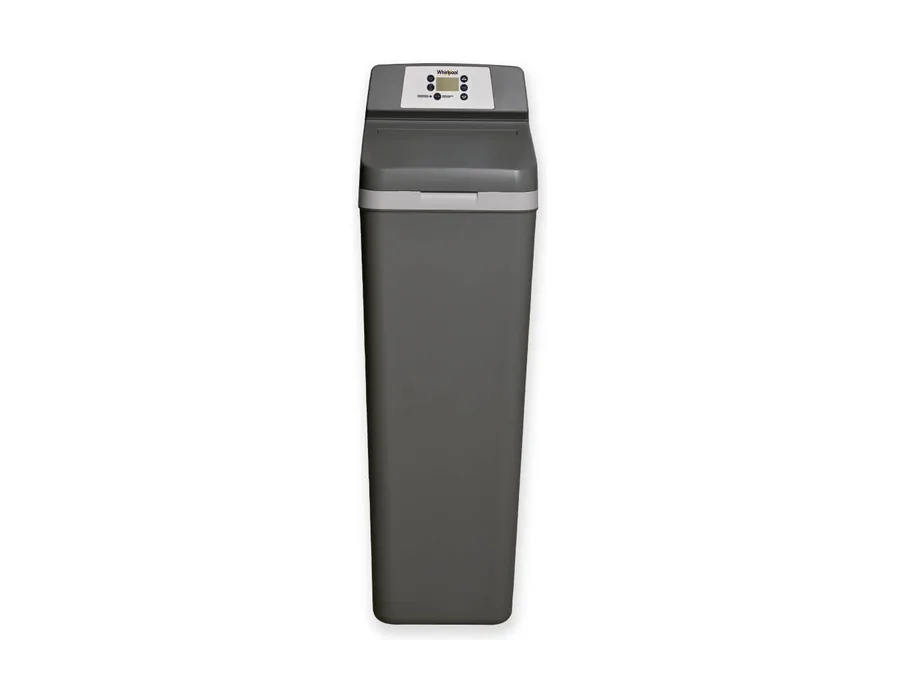
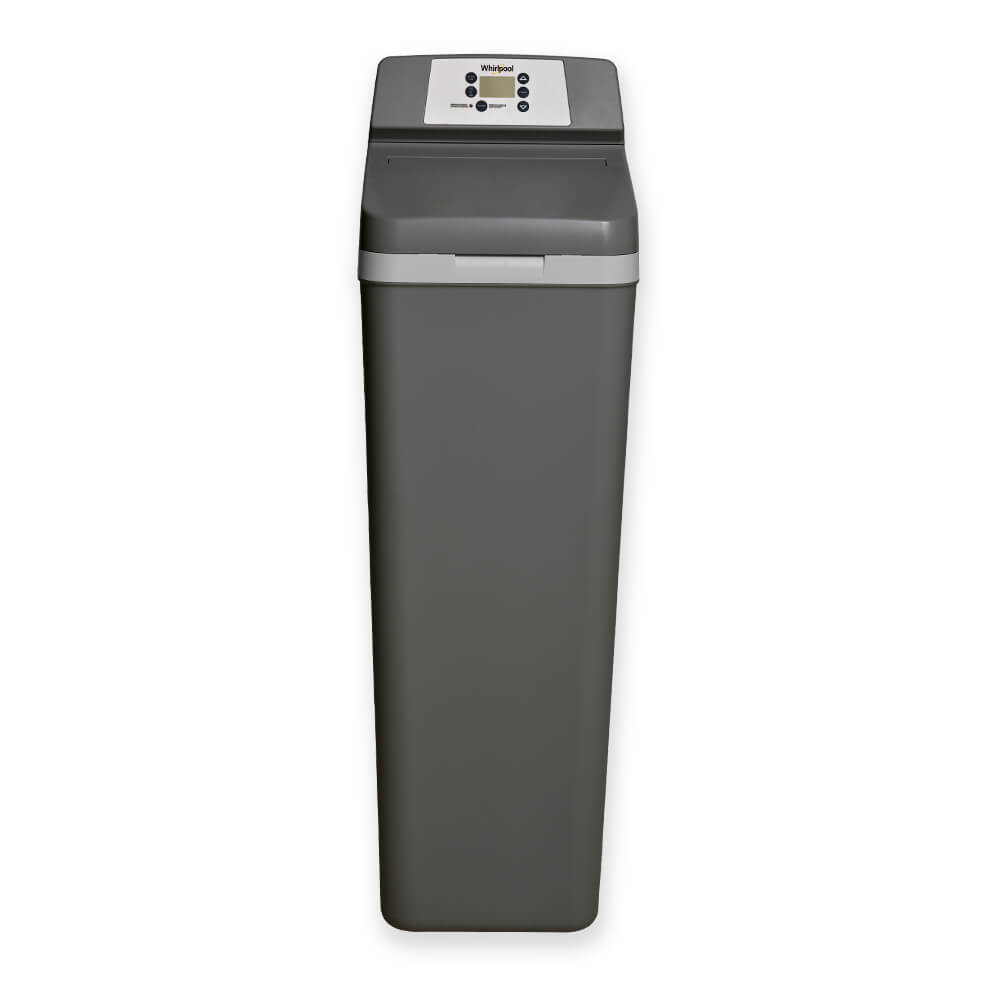
Whirlpool WHES48
Exact model · WHES48
Very hard water and compatible clear-water, or ferrous, iron loads within the performance sheet limits.
Whirlpool rates the WHES48 for up to 160 grains per gallon of hardness, 12 ppm of clear-water iron, and an 11.9 gpm service flow.
- Max. hardness
- 160 gpg
- Clear-water iron
- Up to 12 ppm
- Rated service flow
- 11.9 gpm
Design limitA softener is not an iron filter for oxidized rust particles and does not treat sulfur odor, microorganisms, nitrate, or arsenic. It needs salt, power, and a drain.
Class A UV disinfection
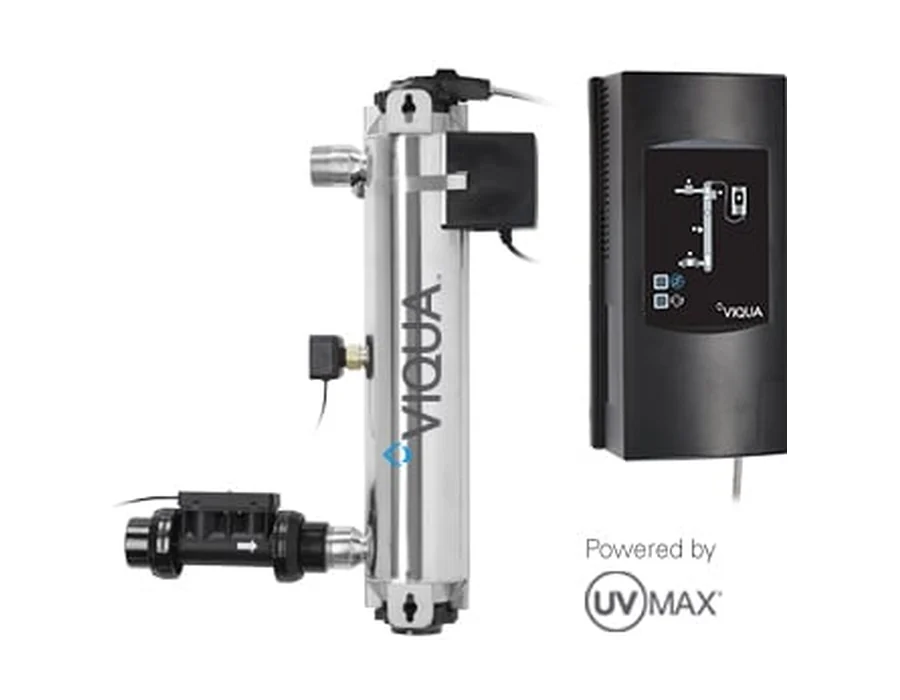
VIQUA PRO10
Exact model · PRO10 / 650647
Whole-home microbiological treatment after pretreatment has produced clear water at or below the validated flow.
The PRO10 is listed under NSF/ANSI 55 Class A, and VIQUA rates it at 10 gpm at a 40 mJ/cm² UV dose with real-time dose monitoring.
- Validated flow
- 10 gpm
- Standard
- NSF/ANSI 55 Class A
- Lamp interval
- Up to 2 years
Design limitUV does not physically remove sediment, hardness, or dissolved chemicals. Feed water must meet the manual’s limits, and VIQUA requires vertical installation.

Point-of-use reverse osmosis
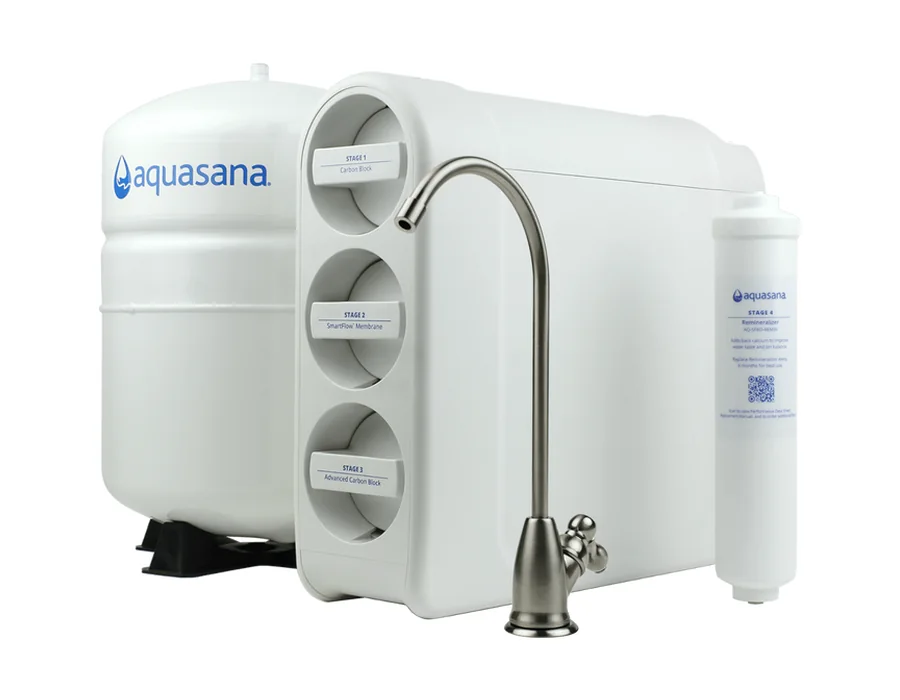
Aquasana SmartFlow RO
Exact model · AQ-SFRO2-BN
One drinking-water tap when the target contaminant appears on this exact model’s certified performance sheet.
WQA certifies the system to NSF/ANSI 42, 53, 58, and 401; its performance sheet reports 90% fluoride, 78% nitrate/nitrite, and 96.4% total-dissolved-solids reduction under test conditions.
- Daily production
- 25.7 gal.
- Operating pressure
- 40–80 psi
- Membrane interval
- 12 months
Design limitIt serves one faucet, produces reject water, and requires 40–80 psi. Do not use it on microbiologically unsafe or unknown-quality water without adequate disinfection.
Documentation check · September 4, 2026. Product pages can change. Confirm the exact model number, current manual, certified claim, installation limits, replacement parts, and local service support before ordering.
Which tests and certifications matter for well-water treatment?
Use a state-certified drinking-water laboratory and follow its sampling instructions. Keep the complete laboratory report, including the analyte, result, unit, reporting limit, collection point, and date, so a seller cannot reduce the record to one headline number. [1][4]
What should you ask a well-water treatment company?
Ask each company to mark the laboratory results addressed by every proposed stage, document the operating limits, and state who owns each maintenance task. Penn State recommends comparing several vendors, written warranties, service responsibilities, and alternatives before committing to a major treatment purchase. [5][4]
- When was the sample collected, which accredited laboratory analyzed it, and which analytes were included?
- What are the measured pH, hardness, iron, manganese, turbidity, total dissolved solids, nitrate, and microbiological results?
- Can the well pump and pressure tank support the treatment system’s required backwash flow?
- Does oxidation or disinfection need adequate contact time before filtration?
- How will media exhaustion, fouling, bacteria, and changes in well chemistry be monitored?
- Who will commission the system and confirm treatment performance with follow-up testing?
Which well-water test results change the treatment train?
Start with health priorities. Use the CDC’s private-well testing guidance to frame routine and event-driven sampling, then follow the response given by the laboratory and health department for a positive E. coli result, elevated nitrate, arsenic, lead, or another health-based concern. Taste, odor, staining, and scale still matter, but nuisance treatment should not delay immediate instructions for a health result. [1][2][7]
Read the whole chemistry panel before choosing media. pH and alkalinity influence corrosion and oxidation. Hardness can foul membranes and scale ultraviolet sleeves. Iron, manganese, turbidity, tannins, and sulfur conditions can consume oxidants, plug filters, or require contact time before filtration. A sequence that works on clear, neutral water may fail on a different well. [6][9]
Preserve the sampling point. A raw-well sample answers a different question from a kitchen-tap sample taken after a pressure tank and existing treatment. Follow the laboratory’s container, flushing, preservation, and holding-time instructions, then record any flood, repair, pressure loss, odor change, or seasonal condition that prompted the test. [1][4]
How do common well-water treatment systems compare?
| Treatment | Typical defined job | Critical design input | Recurring work |
|---|---|---|---|
| Sediment filtration | Suspended sand, silt, or oxidized particles | Particle size, loading, and peak flow | Cartridge changes or backwash |
| Oxidation + media | Measured iron, manganese, or sulfur conditions | pH, dose, contact time, and backwash flow | Chemical refill, backwash, and media service |
| Ion exchange | Hardness and limited compatible dissolved metals | Hardness load, salt dose, and service flow | Salt, regeneration, cleaning, and resin care |
| Class A UV | Validated microbiological treatment | UV transmittance, pretreatment, and rated flow | Lamp, sleeve, alarm, and testing |
| Point-of-use RO | Named dissolved contaminants at one drinking tap | Exact certified claim, pressure, and recovery | Filters, membrane, sanitizing, and verification |
The table assigns a job to each technology; it does not prescribe a universal sequence. NSF’s guide to residential treatment standards explains why certification claims remain model-specific, while EPA’s treatment-system selection guide separates point-of-use treatment from the larger volume and infrastructure demands of point-of-entry systems. [8][3]
Can your well pump backwash the filtration system?
A backwashing filter needs a high enough sustained flow to lift and clean its media bed. Compare the exact tank’s required backwash rate and duration with a measured flow the well pump and pressure tank can deliver at the installation point. The advertised household service flow does not answer that question. [6]
Check the drain path, air gap, electrical service, bypass, floor space, freeze protection, and access for future media or tank removal. Chemical oxidation may also need storage, mixing, ventilation, and a contact tank. Use Penn State’s equipment-buying guidance as a proposal checklist, and put those requirements on the quote before comparing the headline equipment price. [5][3]
Undersizing is not the only mistake. Oversized media can backwash poorly when the pump cannot expand the bed, while an oversized softener may regenerate too infrequently for the water conditions. Ask the designer to show the calculations and exact equipment settings instead of accepting a bedroom-count shortcut. [6][5]
When should you retest water after installing treatment?
Collect a post-installation sample after the equipment has been commissioned and any required flushing or sanitizing is complete. Use the same analyte and compatible sampling method so the before-and-after results answer the intended question. A pressure gauge or clear housing can show an operating condition, but neither proves contaminant reduction. [1][3]
Microbiological treatment needs a stricter response. Minnesota directs well owners to retest after disinfection and to continue annual bacteria testing because a well, treatment unit, or plumbing system can change. Follow local instructions for safe use until the repeat result is acceptable. [7]
Keep the result with the installation record and use it to set the next test date. Retest sooner after flooding, repairs, loss of pressure, a change in taste or appearance, an alarm, a missed service interval, or a household change that health guidance identifies as important. [1][2]
Use the ranking responsibly
How do you confirm a well-water system is working?
Commission the system with before-and-after testing for the concern it was designed to treat, then repeat testing on the schedule set by the health agency and treatment risk. Keep a log of settings, salt or chemical use, backwash cycles, cartridges, lamps, media work, alarms, and laboratory results. [3][1][7]
Give the final treatment diagram and operating record to everyone responsible for the well. It should show the raw-water sampling point, treatment order, bypass positions, drain route, electrical shutoffs, alarm response, and the exact replacement parts. Schedule the first verification sample before the installation is considered complete, then place annual and event-driven tests on the household calendar. Flooding, repairs, pressure loss, a change in taste or appearance, and missed treatment maintenance are reasons to seek testing guidance sooner rather than waiting for the next routine date. [1][2][4]
Read EPA’s private-well guidanceSources / Documents reviewed
Well water filtration system testing and treatment sources
Each number opens the source used for the nearby claim. We link to the issuing organization or original publication whenever it is available.
- 1 Guidelines for Testing Well Water Centers for Disease Control and Prevention · Government
- 2 Protect Your Home’s Water U.S. Environmental Protection Agency · Government
- 3 WaterSense Guide to Selecting Water Treatment Systems U.S. Environmental Protection Agency · Government
- 4 Testing Your Drinking Water Penn State Extension · Academic
- 5 Tips for Buying Water Treatment Equipment Penn State Extension · Academic
- 6 Iron and Manganese in Private Water Systems Penn State Extension · Academic
- 7 Bacterial Safety of Well Water Minnesota Department of Health · Government
- 8 NSF Standards for Water Treatment Systems NSF · Certification body
- 9 Water Testing and Treatment for Private Wells National Ground Water Association · Industry technical